
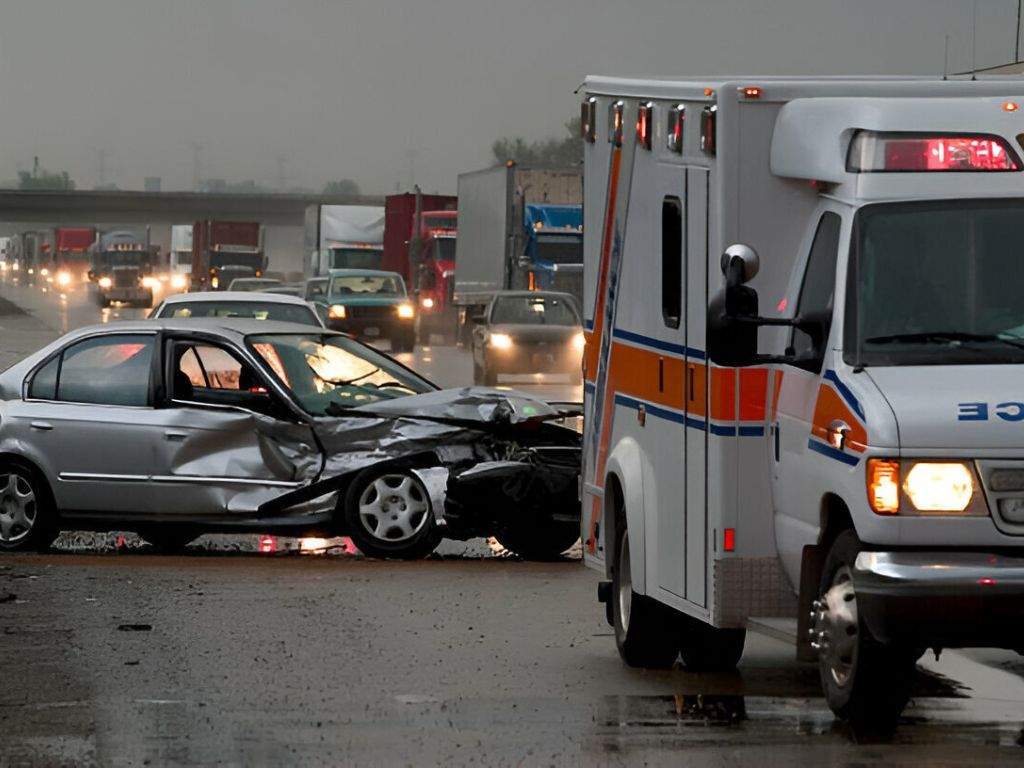
Many drivers assume they have “full coverage” simply because they carry more than the state minimum auto insurance. After a crash, that assumption often leads to confusion and frustration when certain losses are not covered as expected. Understanding full coverage car insurance in Illinois requires separating common myths from how insurance policies actually work under state law.
Illinois does not formally define “full coverage” as a single policy type. Instead, the term is commonly used to describe a combination of coverages that provide broader financial protection than minimum liability insurance alone. In this blog post, we’ll break down what you need to know about car insurance coverage in Illinois to best protect yourself.
Contact us today at 331-295-8005 to discuss your case and learn how we can help you.
What Is Full Coverage Insurance in Illinois?
A common misconception is that “full coverage” means all accident-related losses are automatically paid. In reality, full coverage depends on the specific coverages included in a driver’s policy.
Most insurers use full coverage to describe policies that include:
- Liability coverage,
- Collision coverage, and
- Comprehensive coverage.
Additional protections, such as uninsured or underinsured motorist coverage and medical payments coverage, may also be included, depending on the policy.
Is Full Coverage Required in Illinois?
Questions about Illinois full coverage auto insurance requirements frequently come up after accidents. However, under Illinois law, “full coverage” is not mandatory.
Illinois law requires drivers to carry minimum liability insurance, but there are no legal full coverage insurance requirements. Illinois’s minimum insurance requirement is:
- $25,000 injury coverage per person,
- $50,000 injury coverage per accident, and
- $20,000 coverage for property damage.
Additional policies, such as for collision and comprehensive coverage, are optional.
However, there are some situations when additional coverage might be necessary. Drivers may be required to carry broader coverage if:
- A vehicle is financed or leased,
- A lender imposes coverage conditions, and
- Higher risk exposure warrants additional protection.
Insurance requirements may also be influenced by underwriting guidelines and policy endorsements.
For these reasons, many drivers carry broader coverage even though the state does not legally require it.
What Are the Different Types of Car Insurance Coverage?
Understanding full car insurance coverage involves knowing what each component covers and what it does not.
Let’s break them down:
- Liability coverage—pays for injuries or property damage caused to others;
- Collision coverage—helps pay for damage to the insured vehicle after a crash; and
- Comprehensive coverage—applies to non-collision losses such as theft or weather damage.
Additional coverages may include uninsured and underinsured motorist protection, which can be especially important in serious injury cases.
Vehicle Insurance: Full Coverage and Injury Claims
In car accident cases involving serious injuries, coverage can affect how claims are evaluated and resolved. While liability coverage applies to injuries caused to others, additional coverages may influence repair costs, medical payments, and available benefits.
Importantly, having “full coverage” does not guarantee full compensation for injuries. Coverage limits, exclusions, and fault determinations all play a role in how claims are handled.
What Cost Considerations Apply to Different Coverage Choices?
Drivers often compare policy options when evaluating the average cost of full coverage car insurance in Illinois. Costs vary based on factors such as driving history, vehicle type, location, and coverage limits.
When comparing policies, it is also common to weigh full coverage vs. minimum coverage cost in Illinois. While minimum coverage may reduce premiums, it can leave drivers financially exposed in serious accidents where damages exceed policy limits.
How Does Coverage Impact a Car Accident Claim?
Insurance coverage shapes nearly every aspect of a car accident claim, from early negotiations to litigation strategy. Identifying all applicable policies is a critical step in determining potential recovery.
In claims involving severe injuries, multiple vehicles, or disputed liability, understanding policy structure becomes especially important. Firms like Marker Law, LLC, routinely analyze coverage issues when representing clients injured in car accidents throughout Naperville and Illinois. Speak with a Naperville car crash lawyer in our office to learn more.
How Is Insurance Coverage Investigated After a Serious Car Accident?
After a serious car accident, determining available insurance coverage often requires more than reviewing a single policy. Multiple policies may apply depending on vehicle ownership, household members, employment use, or the involvement of additional drivers.
Insurance coverage investigations often include:
- Reviewing declarations pages and endorsements,
- Identifying umbrella or excess policies,
- Evaluating uninsured or underinsured motorist coverage, and
- Confirming whether other household or commercial policies apply.
This process can take time, especially when insurers are slow to disclose policy details or when multiple parties are involved. A thorough coverage investigation helps identify all potential sources of recovery before settlement decisions are made.
Should You Carry Insurance Above the State’s Minimum Requirements?
As a general rule, it’s advisable to get the maximum coverage possible, but at least $100/$300 coverage, which covers up to $100,000 per person and $300,000 per accident. If your limits are too low and you are at fault for an accident that injures someone else, they can file a lawsuit against you personally for damages that exceed your minimum liability coverage. This means they can get a judgment against you that they can collect against your assets and wages.
Additionally, you should always opt for uninsured/underinsured (UM/UIM) coverage, also with a limit of at least $100/$300. This will help protect you if you’re injured by:
- Another driver who has no insurance,
- Another driver who had their insurance lapse because they did not pay on time, or
- A hit-and-run accident where the at-fault party cannot be found.
In all these situations, you would be able to recover compensation under your own UM/UIM policy. If you’ve opted out of UM/UIM, you could be left with no recourse and be stuck paying the costs of your accident out of pocket.
Frequently Asked Questions About Insurance Coverage in Illinois
What Are the Requirements for Full Coverage Insurance in Illinois?
Illinois law does not define full coverage as a legal requirement. Drivers must carry minimum liability insurance, while collision and comprehensive coverage are optional unless required by a lender.
Should I Get 50/100 or 100/300 Insurance?
Higher liability limits generally provide greater financial protection in serious accidents. The appropriate limits depend on individual risk factors, assets, and driving habits.
How Much Is Full Coverage Auto Insurance in Illinois?
Premiums vary widely based on personal and vehicle factors. Comparing policies and understanding coverage limits is often more important than focusing solely on cost.
Contact a Naperville Car Accident Lawyer
“Full coverage” can mean different things depending on the policy, the insurer, and the circumstances of a crash. Understanding how coverage works under Illinois law helps clarify what compensation may be available after an accident.
With more than 25 years of experience, Marker Law, LLC, helps injured clients across Naperville and Illinois navigate complex insurance issues with clarity and confidence. Our team focuses on thorough coverage evaluation, clear communication, and client-centered advocacy throughout the personal injury claims process. Contact us to learn more about how we can help you.
Illinois Legal References Used to Inform This Page
To ensure the accuracy and clarity of this page, we referenced official legal resources during the content development process: