

Table of Contents
- Why Hire a Spanish-Speaking Lawyer
- How to Find a Spanish-Speaking Lawyer in Your Area
- Questions to Ask a Lawyer Before Hiring
- Hiring a Lawyer With an Interpreter: What You Need to Know
- Verifying Credentials and Language Fluency
- Understanding Legal Fees and Consultation Options
- Red Flags to Avoid When Selecting an Attorney
- Conclusion
Last Updated: August 11, 2026
Why Hire a Spanish-Speaking Lawyer
When you’re injured and facing legal proceedings, communication becomes everything. A language barrier creates misunderstandings that can cost you thousands in settlement value. If English isn’t your first language, working with a Spanish-speaking lawyer removes this friction entirely.
You can explain your injuries, medical history, and accident circumstances without struggling to find words or worrying whether you’ve conveyed the severity of your situation. Your attorney understands not just the language, but the cultural context of your experience. Beyond communication, a Spanish-speaking lawyer provides trust. When you’re vulnerable, dealing with pain, medical bills, and insurance company pressure, you need to feel confident that your legal representation truly understands you.
At Marker Law, we understand that clear communication is the foundation of strong legal advocacy. Attorney Jason Marker has spent over 25 years helping injured clients navigate complex claims, recognizing that language access is essential to getting the outcome you deserve.
How to Find a Spanish-Speaking Lawyer in Your Area
Finding the right Spanish-speaking lawyer requires more than a quick internet search. You need someone qualified, experienced in your specific legal issue, and genuinely fluent in Spanish at a professional level.
Start with your state bar association. Most state bar websites have attorney directories where you can filter by practice areas and language skills. Search for "Spanish-speaking attorney" or "bilingual lawyer" along with your location and case type. The bar association’s database is reliable because it verifies that attorneys are licensed and in good standing.
Local legal aid organizations often maintain lists of bilingual attorneys, especially in areas with significant Spanish-speaking populations. Call your county bar association and ask for their referral service; they can point you toward attorneys who handle your type of case and speak Spanish fluently.
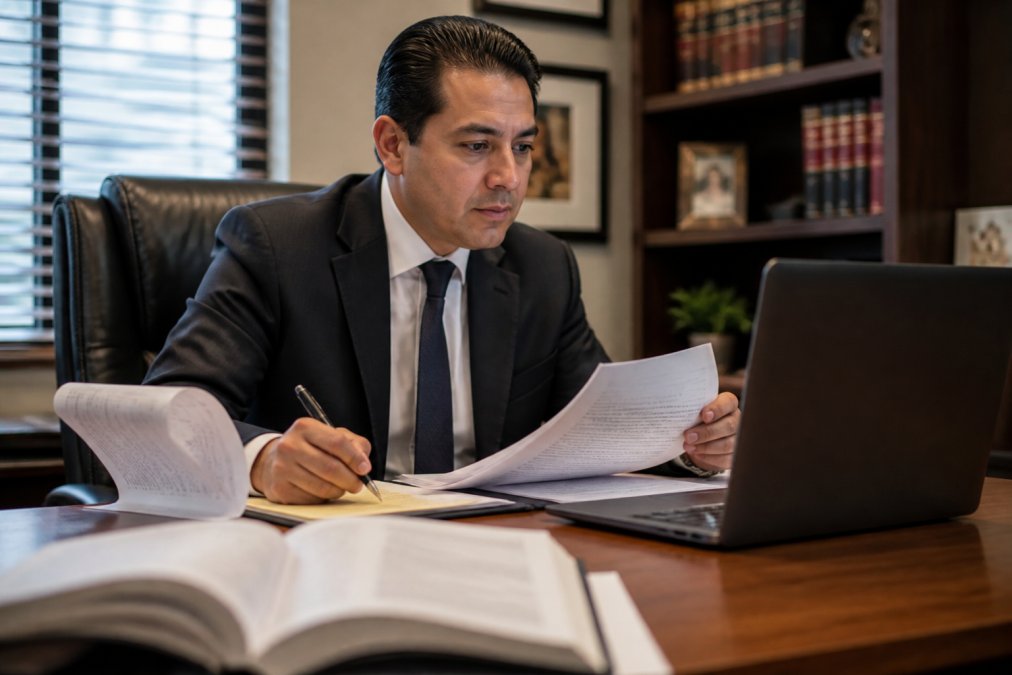
Ask for referrals from people you trust. If you know someone who has worked with a Spanish-speaking lawyer, their firsthand experience is invaluable. Medical providers, especially those in immigrant communities, often know which attorneys are reliable and have strong reputations for client advocacy.
When you’ve identified potential attorneys, verify their credentials through your state bar’s website. Confirm they’re licensed, check for any disciplinary history, and look for recognition from professional organizations. Some attorneys hold certifications in specific practice areas, signaling deeper expertise. Ask directly about their experience handling cases similar to yours.
Interview at least two or three Spanish-speaking lawyers before deciding. Most offer free initial consultations. Use this time to assess whether they understand your situation, explain your legal options clearly, and make you feel heard. A good attorney will never make you feel pressured during a consultation.
Questions to Ask a Lawyer Before Hiring
The consultation is your opportunity to evaluate whether this attorney is the right fit.
Start with their track record: "How many cases like mine have you handled, and what were the typical outcomes?" A Spanish-speaking lawyer with substantial experience in your type of case will have concrete examples and can explain what factors led to successful results.
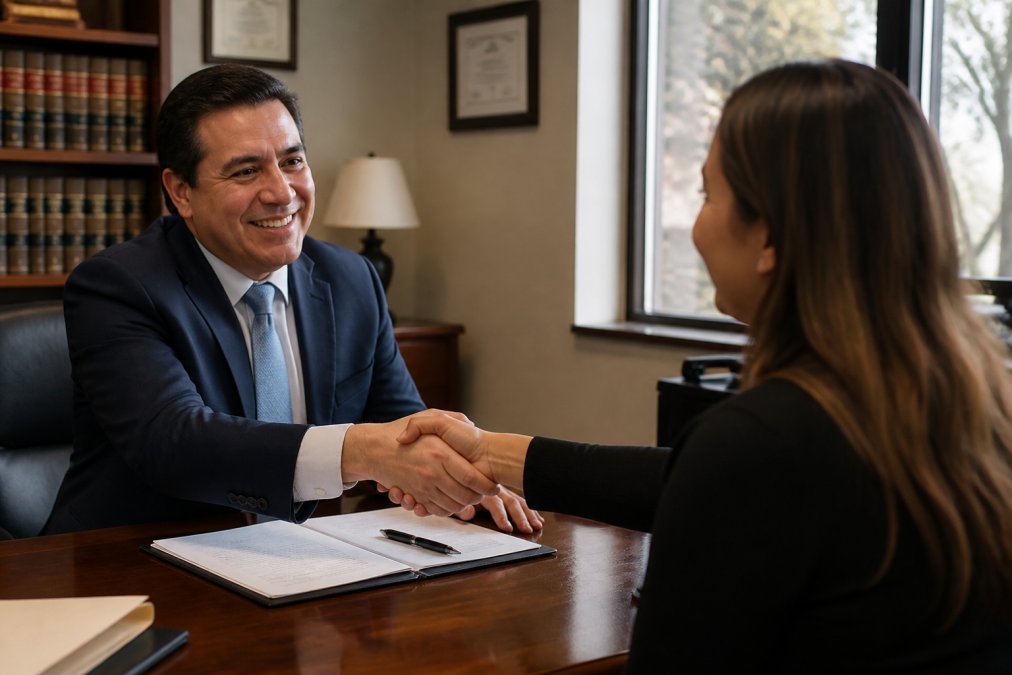
Ask about communication and accessibility: "Will I speak directly with you, or will I be handed off to an assistant?" You want to know that your attorney is available when you have questions. Ask about response times for callbacks on urgent questions.
Inquire about the fee structure: "How are you compensated, and what costs might I owe?" Most personal injury attorneys work on contingency, meaning they only get paid if you win your case. Understand the specifics: What percentage do they take? Are there costs for medical records, court filings, or expert witnesses? Will you owe these costs even if the case doesn’t succeed?
Ask about their approach to settlement negotiations: "If the insurance company makes an offer, will you advise me to take it, or will you push for more if you believe the case is worth more?" You want an attorney who will advocate zealously on your behalf, not one who simply accepts the first offer.
Discuss your case specifically: "Based on what I’ve told you, what do you see as the strengths of my case, and what challenges might we face?" A competent attorney will give you an honest assessment and explain the realistic range of possibilities.
Ask about bilingual representation: "Will all communications with me be in Spanish, or will some documents be in English?" Clarify what you can expect and whether your attorney will explain legal terminology in Spanish as you go.
Hiring a Lawyer With an Interpreter: What You Need to Know
Sometimes you’ll find an excellent attorney who doesn’t speak Spanish fluently, but you want to work with them anyway. Hiring a lawyer with an interpreter is workable, but it requires clear agreements about how the process will function.
Professional interpretation is essential. Never rely on family members or friends to interpret during legal consultations or court proceedings. They lack the training to convey legal language accurately, and their presence can complicate attorney-client privilege.
Your attorney should arrange and pay for professional interpretation. Before you hire them, confirm that they have relationships with certified interpreters and that interpretation costs won’t be passed to you as a client expense.
During consultations and court proceedings, the interpreter will relay your words to the attorney and the attorney’s words to you. This takes longer than direct communication, so budget extra time for appointments. Ask whether key documents will be translated into Spanish so you fully understand what’s happening with your case.
The attorney-client privilege still applies when an interpreter is present. Make sure your attorney explains this and that the interpreter signs a confidentiality agreement before your first meeting.
Verifying Credentials and Language Fluency
Before you hire any Spanish-speaking lawyer, verify that they’re genuinely qualified, both legally and linguistically.
Check your state bar association’s website to confirm the attorney is licensed and in good standing. Look for any disciplinary records or complaints. If you find disciplinary history, use it as a starting point for further questions.
Some attorneys hold certifications in specific practice areas, signaling that they’ve met rigorous standards of knowledge and experience. Ask whether your potential attorney holds any relevant certifications.
Verify language fluency directly. During your consultation, pay attention to whether the attorney communicates in Spanish smoothly and accurately. Can they explain complex concepts clearly? Ask about their Spanish proficiency and how long they’ve been practicing law in Spanish.
Ask for references from previous Spanish-speaking clients. A reputable attorney should be willing to provide contact information for past clients (with their permission) who can speak to the quality of their bilingual representation.
Look for recognition from professional organizations. Bar associations sometimes recognize attorneys for their work serving Spanish-speaking communities. These recognitions are a positive signal.
Understanding Legal Fees and Consultation Options
How you pay for legal representation affects your case strategy and your peace of mind.
Most personal injury attorneys work on contingency. This means you pay no upfront fees. Your attorney gets paid only if you win your case, either through settlement or verdict. The attorney takes a percentage of your recovery, typically ranging from one-third to 40 percent depending on the complexity of the case and whether it goes to trial.
Contingency representation aligns your interests with your attorney’s. They only make money if they win for you, so they’re motivated to maximize your settlement or verdict. Ask your attorney to explain their specific fee percentage before you hire them. Some attorneys charge different percentages depending on whether the case settles or goes to trial.
Beyond attorney fees, there are case costs including medical record requests, court filing fees, and expert witness fees. Ask whether these costs come out of your settlement before you receive your portion, or whether you owe them separately. Most attorneys advance these costs and deduct them from your final settlement.
Many Spanish-speaking attorneys provide free initial consultations. During your free consultation, you’re not obligated to hire the attorney. Use it to evaluate their competence, communication style, and whether you feel confident in their ability to represent you.
Red Flags to Avoid When Selecting an Attorney
Not every attorney who claims to speak Spanish is qualified to represent you. Watch for warning signs that suggest you should look elsewhere.
If an attorney guarantees a specific outcome or minimum settlement amount, that’s a red flag. No ethical attorney can promise results. An attorney who makes guarantees is either misleading you or doesn’t understand professional ethics.
Avoid attorneys who pressure you to sign representation agreements immediately or who discourage you from consulting other attorneys first. Reputable attorneys expect you to shop around.
Watch for poor communication or unresponsiveness. If an attorney doesn’t return your calls within a reasonable time during the consultation phase, they likely won’t be responsive once you’ve hired them.
Be cautious of attorneys who seem unfamiliar with your specific type of case. Specialization matters in law.
If an attorney’s Spanish seems limited or they frequently pause to find words, that’s a concern. You need clear, direct communication about complex legal matters.
Avoid attorneys with a history of disciplinary action, especially for client trust account violations or dishonesty. Be wary of attorneys who won’t explain your legal options clearly or who dismiss your questions.
If you’re uncomfortable for any reason, keep looking. The attorney-client relationship is built on trust. You need to feel confident that your Spanish-speaking lawyer understands you, respects you, and will fight for your interests.
Finding a Spanish-speaking lawyer who truly serves your needs takes time, but it’s one of the most important decisions you’ll make after an injury. The right attorney removes communication barriers, provides clear legal guidance, and fights to maximize your recovery so you can focus on healing.
When you’re ready to move forward, Marker Law offers the bilingual representation and compassionate advocacy you deserve. With over 25 years of experience helping injured clients in personal injury, workers’ compensation, and accident cases, Attorney Jason Marker provides direct access to legal counsel, 24/7 availability for consultations, and comprehensive support including medical referral coordination. A free consultation lets you discuss your case and understand your options with no obligation. Reach out to Marker Law today to learn how we can help you secure the recovery you’re entitled to.
Frequently Asked Questions
How can I verify if a Spanish-speaking lawyer is actually fluent?
Ask the attorney directly about their language background and how long they've served Spanish-speaking clients. Request references from past Spanish-speaking clients if possible. Check whether they hold bar association certification in bilingual legal services. During your consultation, pay attention to how clearly they explain complex legal concepts, fluency means they can translate legal terminology accurately, not just speak conversationally. If you remain uncertain, you can hire a certified interpreter to attend consultations until you build confidence in their abilities.
What should I ask during an initial consultation with a Spanish-speaking lawyer?
Ask about their experience with cases similar to yours, their fee structure and how they bill, and whether you'll communicate directly with the attorney or through staff. Inquire about their availability for 24/7 support if your situation is urgent. Ask how they handle medical coordination and whether they'll explain each step of the legal process clearly. Request a timeline for your case and what outcomes they realistically expect. Finally, ask what they need from you to begin building your case, and confirm they can communicate fluently in Spanish throughout the entire process.
Do I need a certified interpreter if my lawyer speaks limited Spanish?
Yes, if your attorney's Spanish fluency is limited, a certified interpreter is essential for complex legal matters. Legal terminology is precise, and misunderstandings can damage your case. A certified interpreter ensures accurate communication about your rights, legal options, and documentation. Many law firms can arrange certified interpreters for consultations and court proceedings. This protects both you and your attorney by creating an official record of what was discussed. Do not rely on informal translation from family members or friends for serious legal matters.
What are the biggest red flags when hiring a Spanish-speaking attorney?
Avoid attorneys who cannot clearly explain their fee structure upfront, who guarantee specific outcomes, or who pressure you to settle quickly. Be wary if they avoid direct communication with you or consistently pass you to staff members. If they cannot provide references from Spanish-speaking clients or have no track record in your practice area, that's a concern. Red flags also include unwillingness to explain legal terminology, lack of transparency about timelines, and attorneys who discourage you from asking questions. Finally, verify they are actually licensed to practice law in your state through your state bar association.
This article was written using GrandRanker